NHÀ-VƯỜN
Project Detail
Địa điểm: Biên Hoà - Đồng Nai
Thời gian: 2023-2025
Khách hàng: Anh Hùng, Chị Hạnh
Nhóm thiết kế: Phạm Nhân Thọ, Nguyễn Đăng Vinh, Ngô Thị Quỳnh Trang, Mai Nhã Quỳnh, Võ Thế Duy
Nhà thầu thi công: Xây dựng Venhouse, Hoàn thiện anh Lai, Cơ khí Song Hân, Toko studio
Furniture: S.norm
Lighting: LYK lighting
Landscape: GN landscape Solution, Cảnh quan Hoàng Phi
Hình ảnh: Chimnon Studio
[English below]
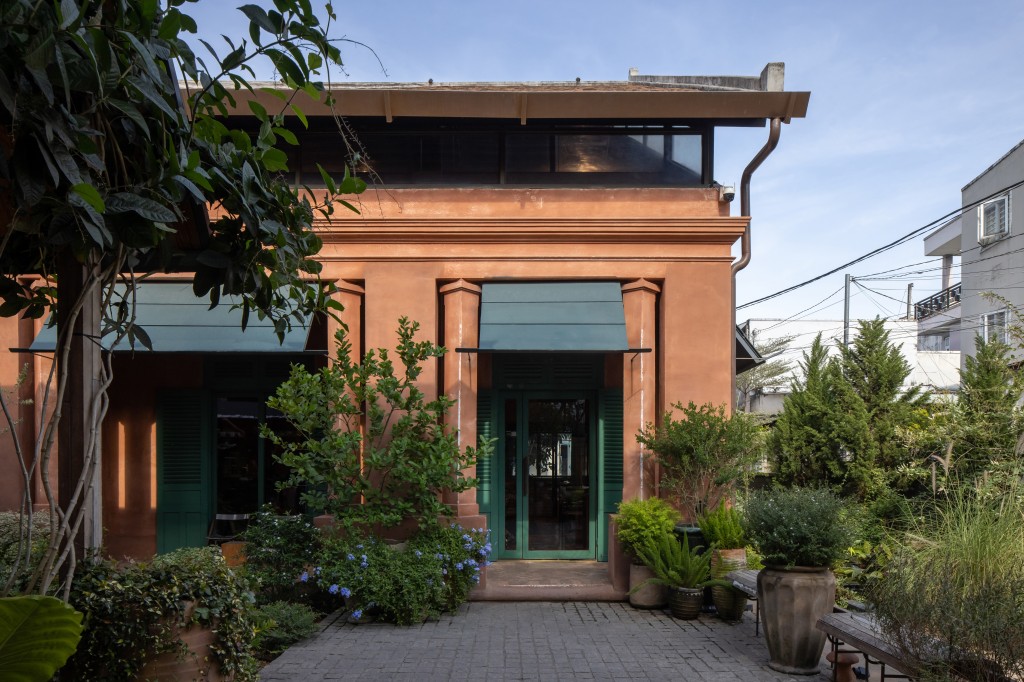
Giữa trung tâm thành phố Biên Hòa, trên khu đất hơn một nghìn mét vuông, căn nhà cổ hơn trăm năm tuổi được cải tạo công năng thành quán cà phê. Can thiệp của nhóm thiết kế không nhằm làm thay đổi bản chất công trình, mà hướng tới chuyển hoá nó thành một nơi chốn gặp gỡ—nơi kiến trúc duy trì trải nghiệm liên tục của không–thời gian.
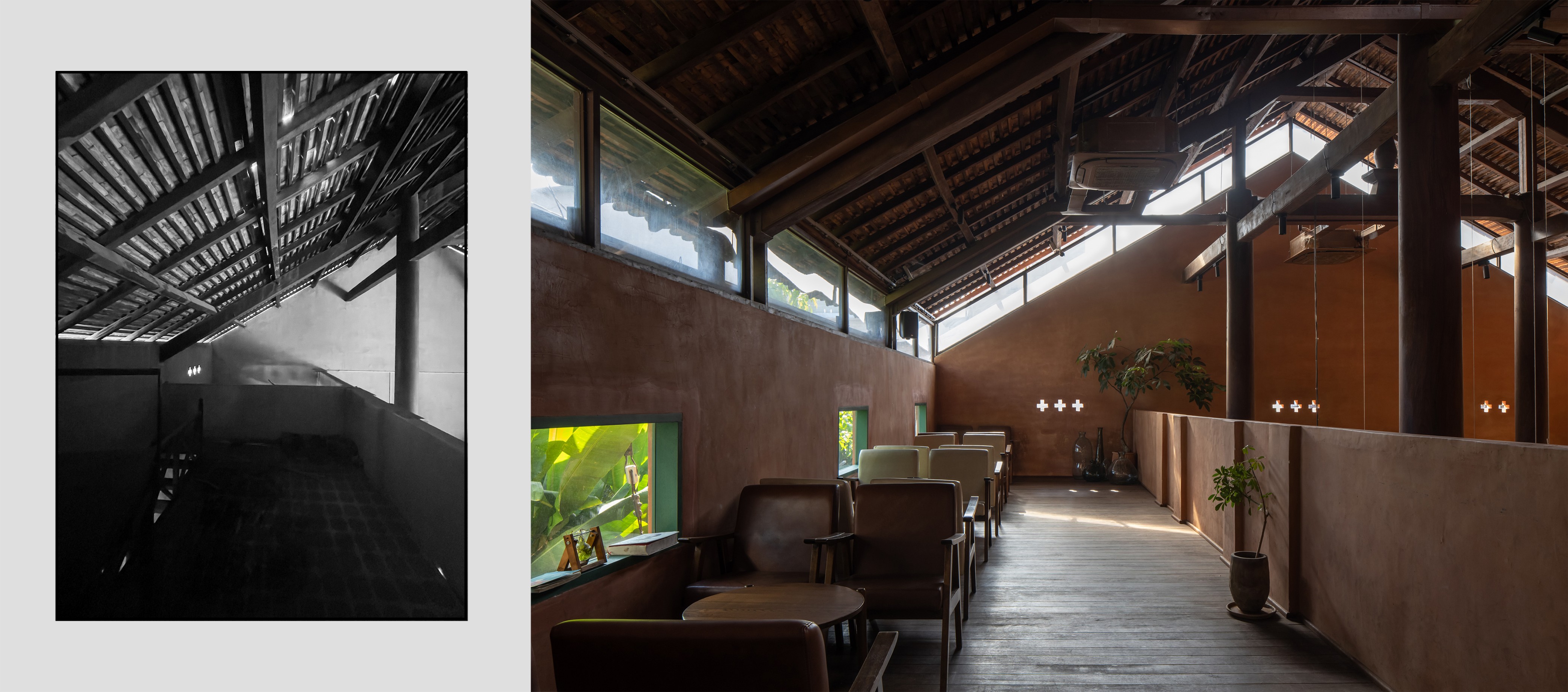
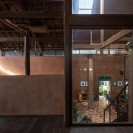
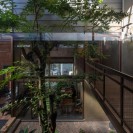
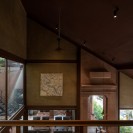
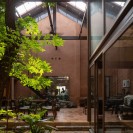
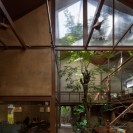
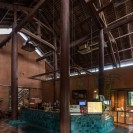
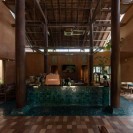
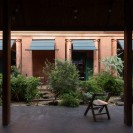
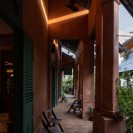
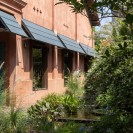
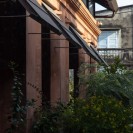
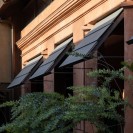
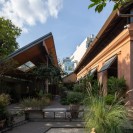
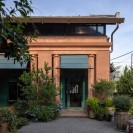
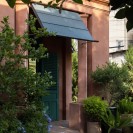
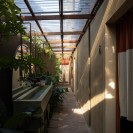
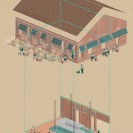
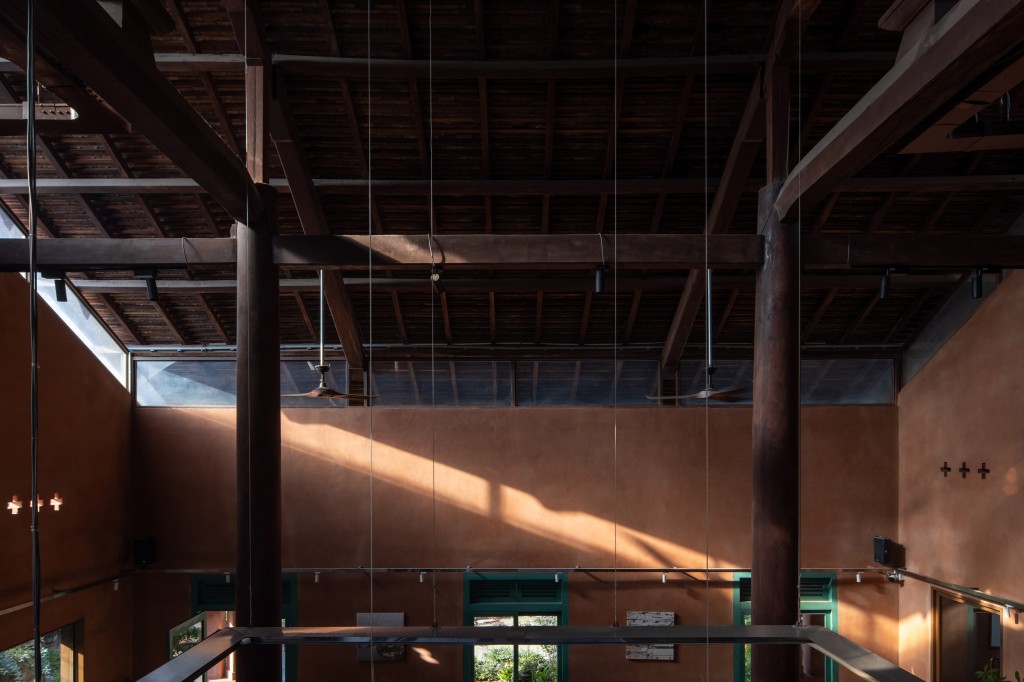
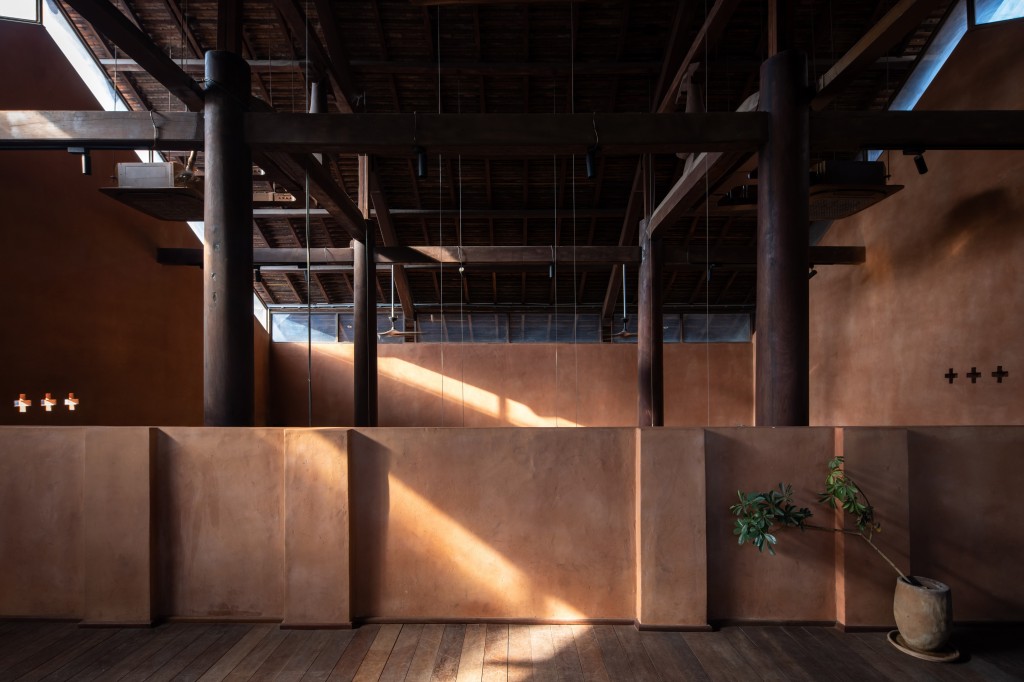
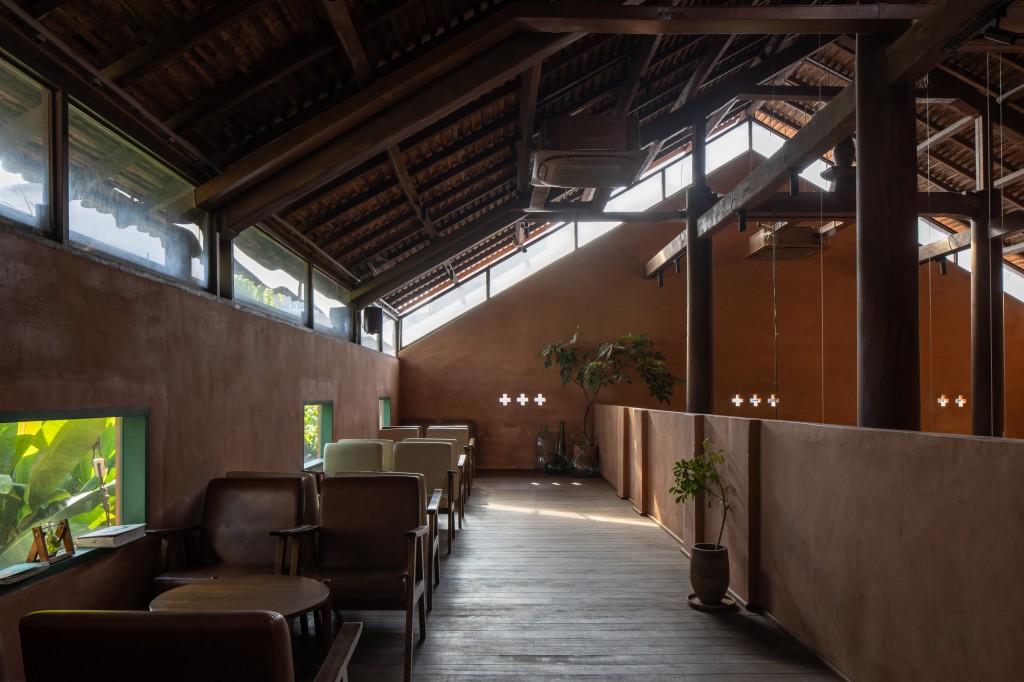
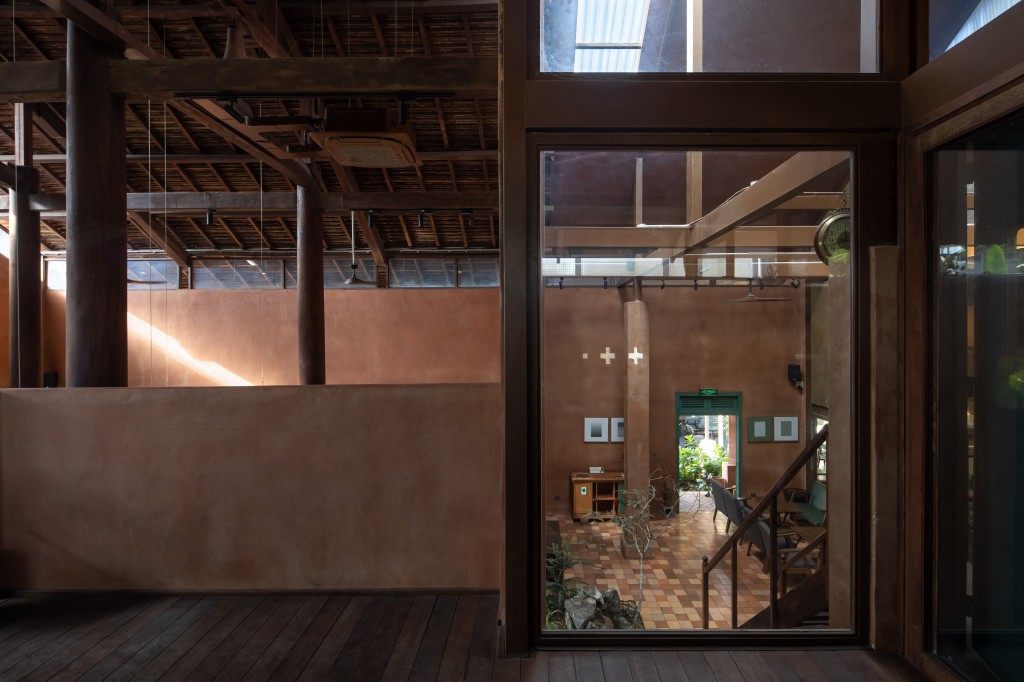
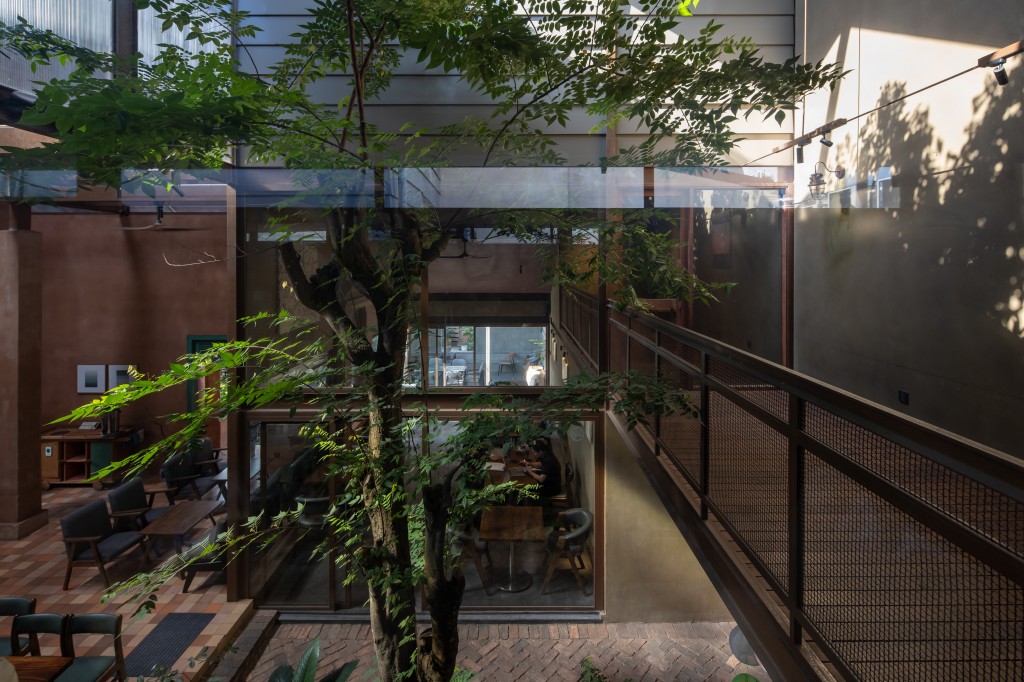
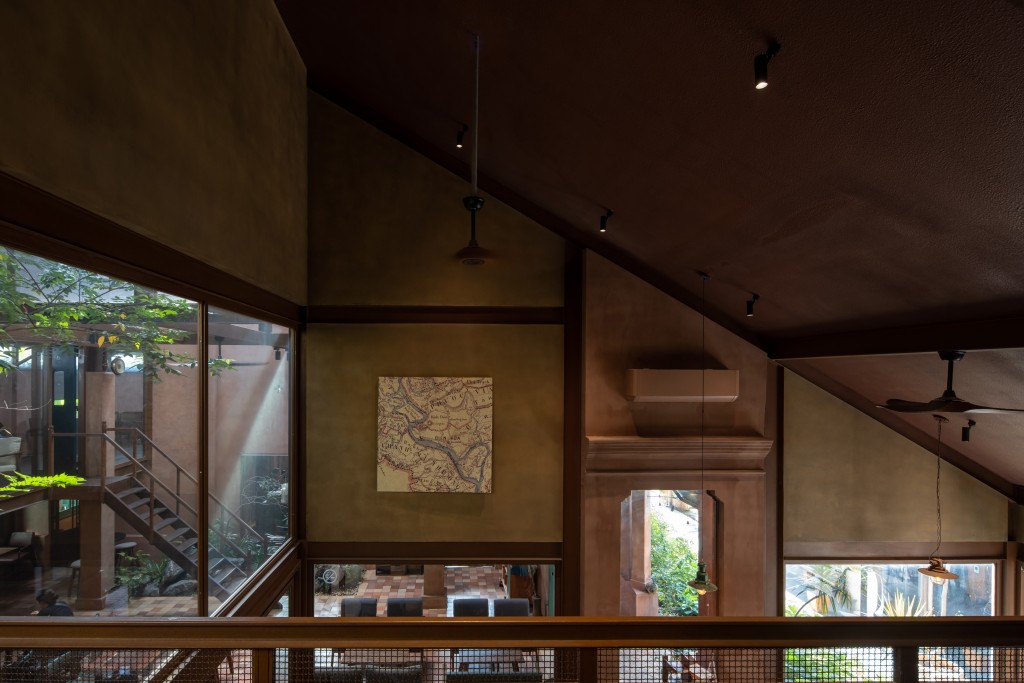
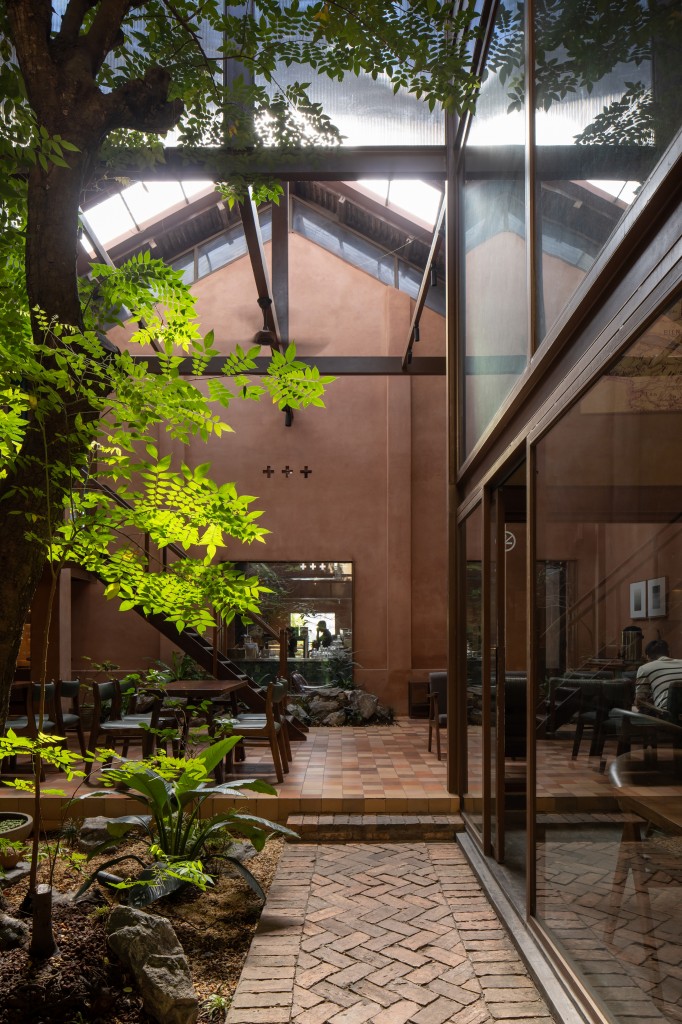
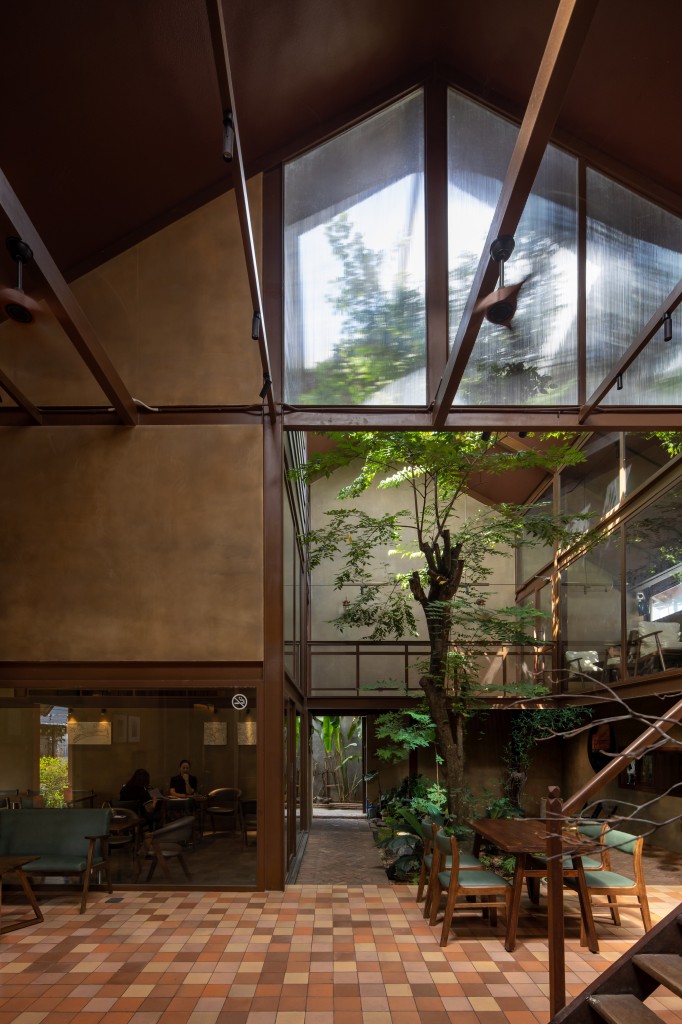
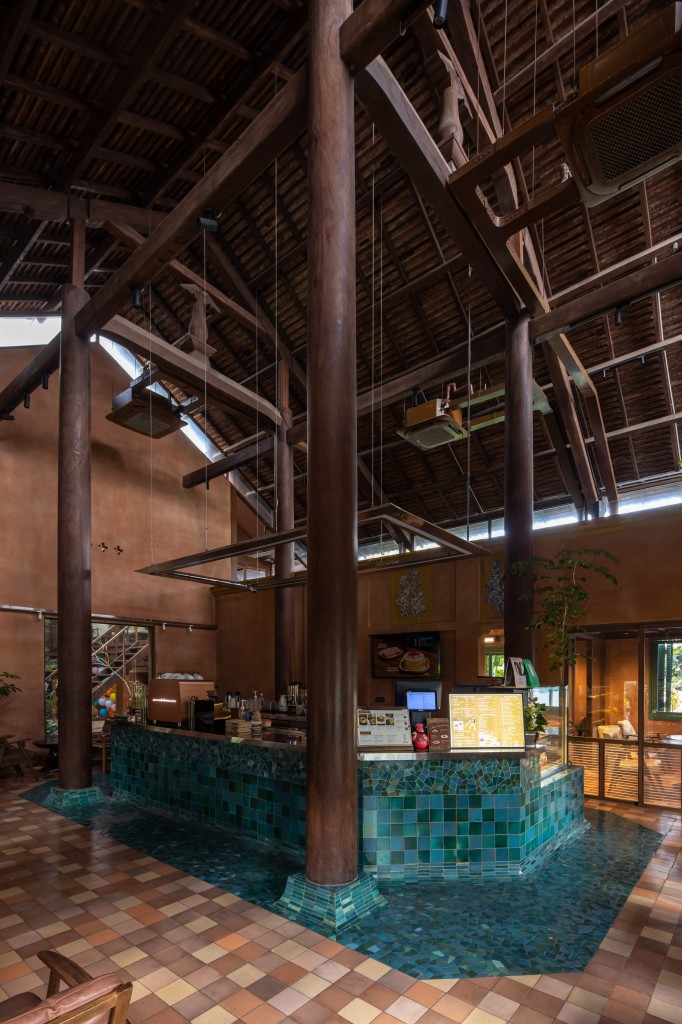
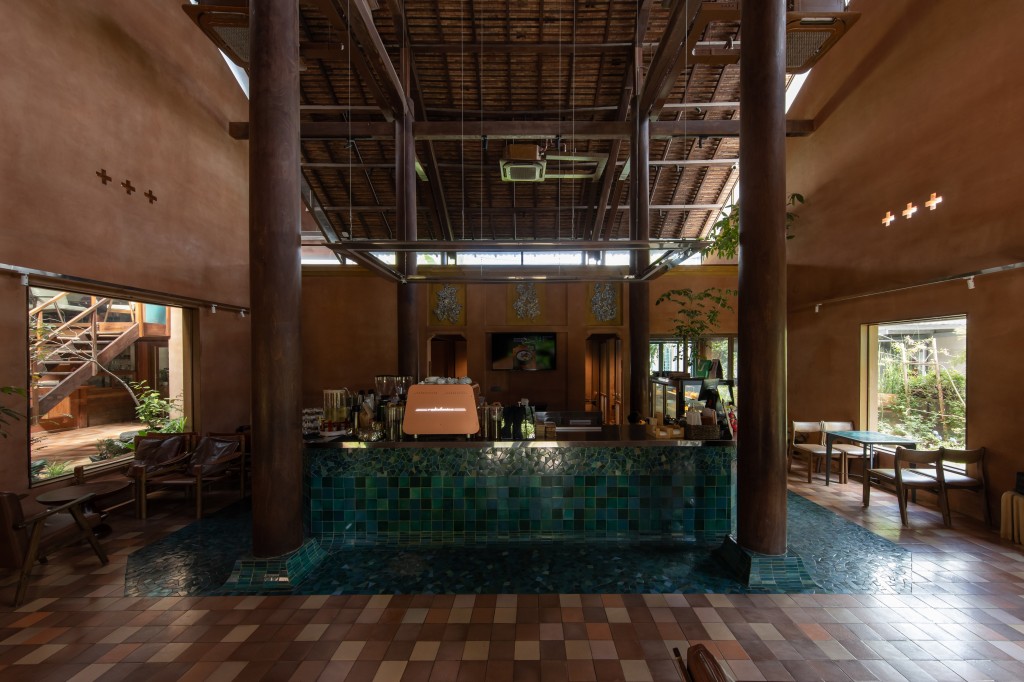
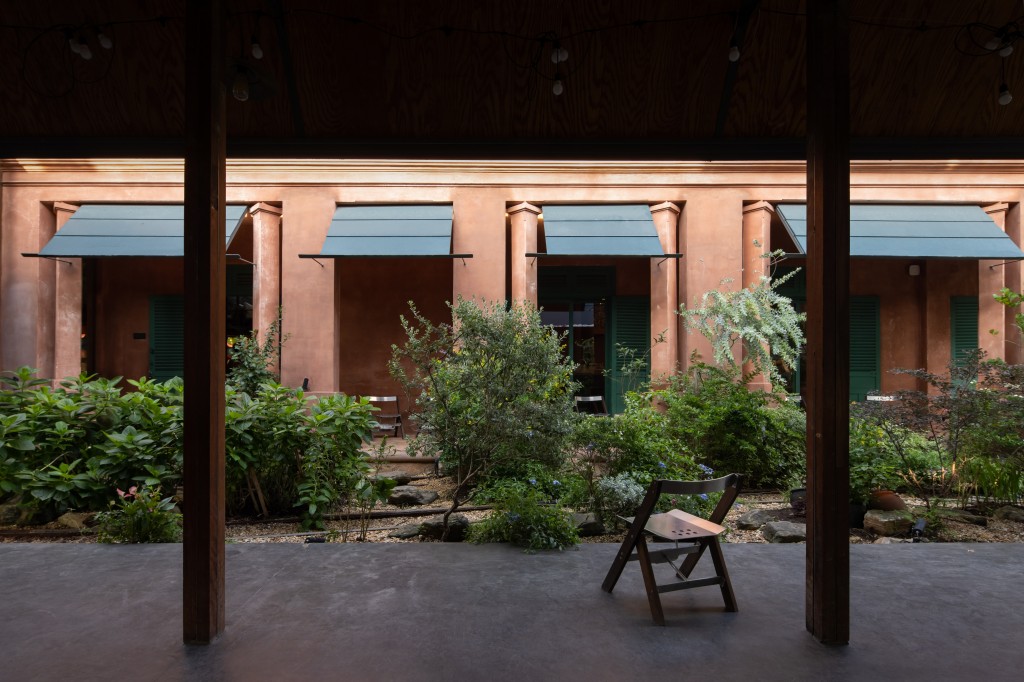
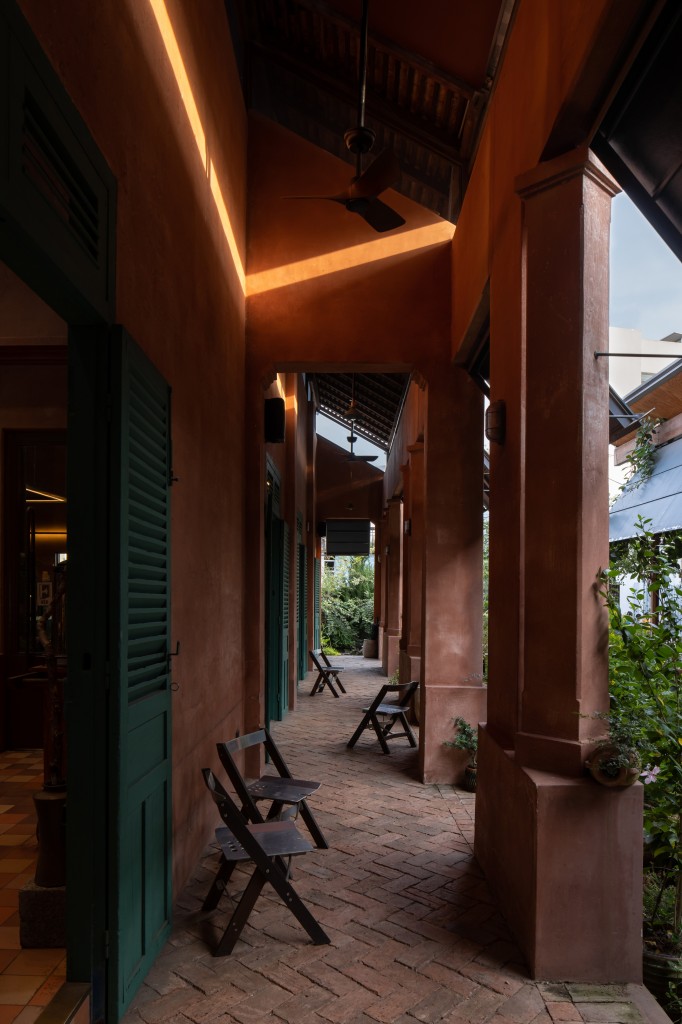
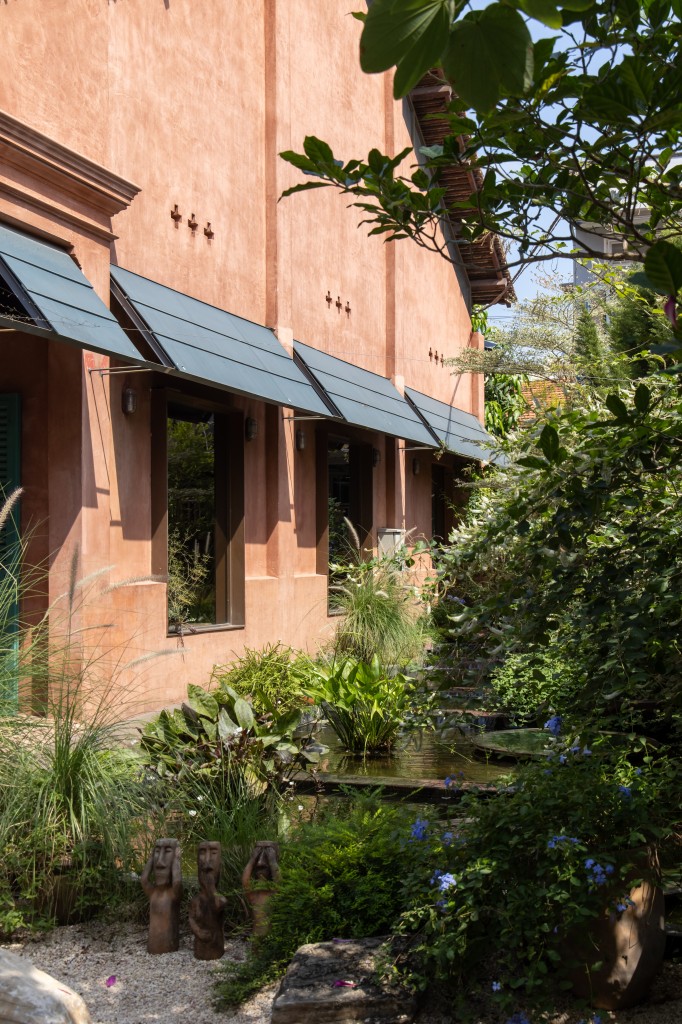
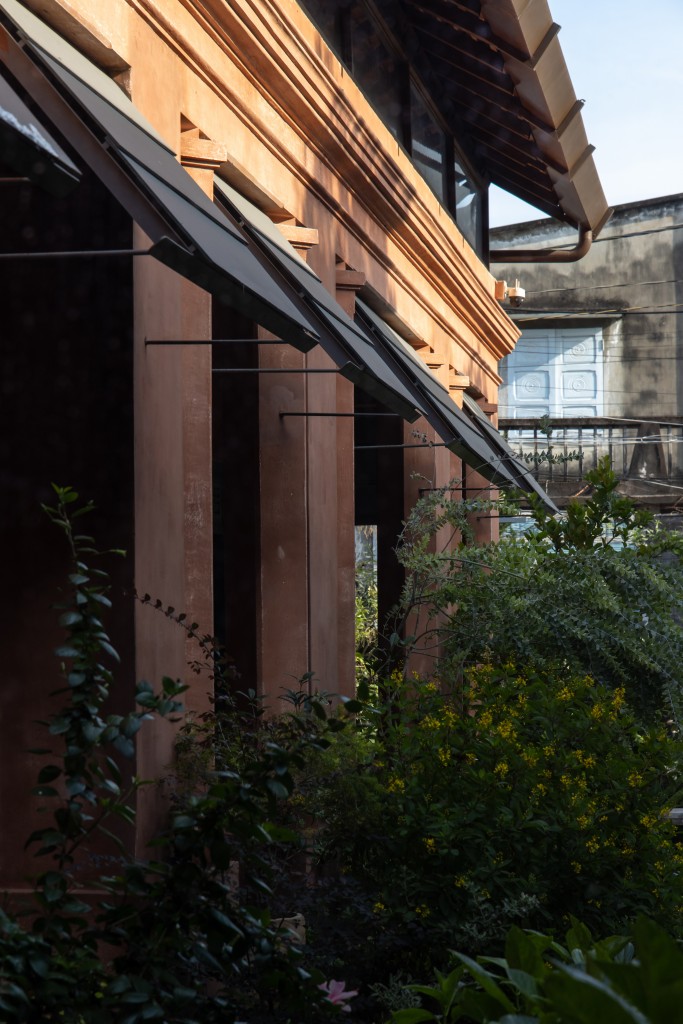
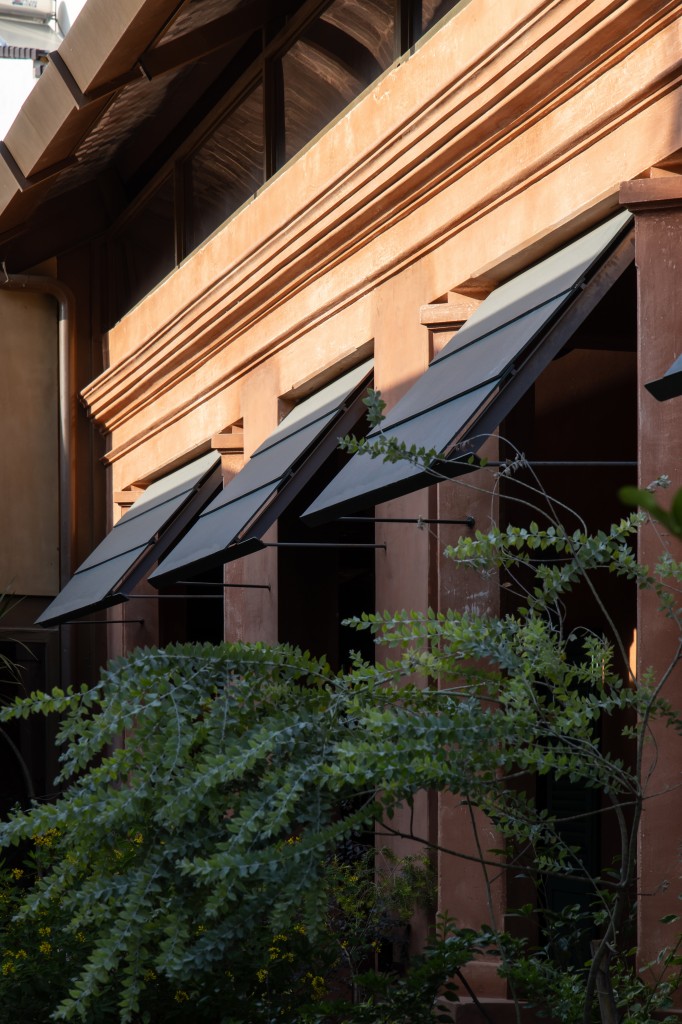
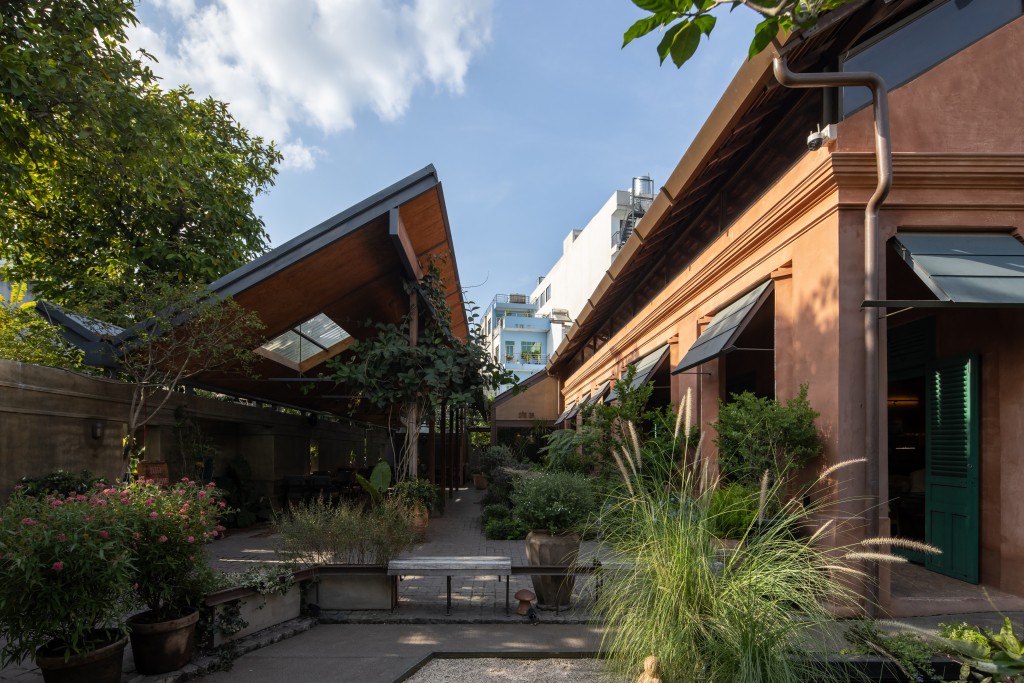
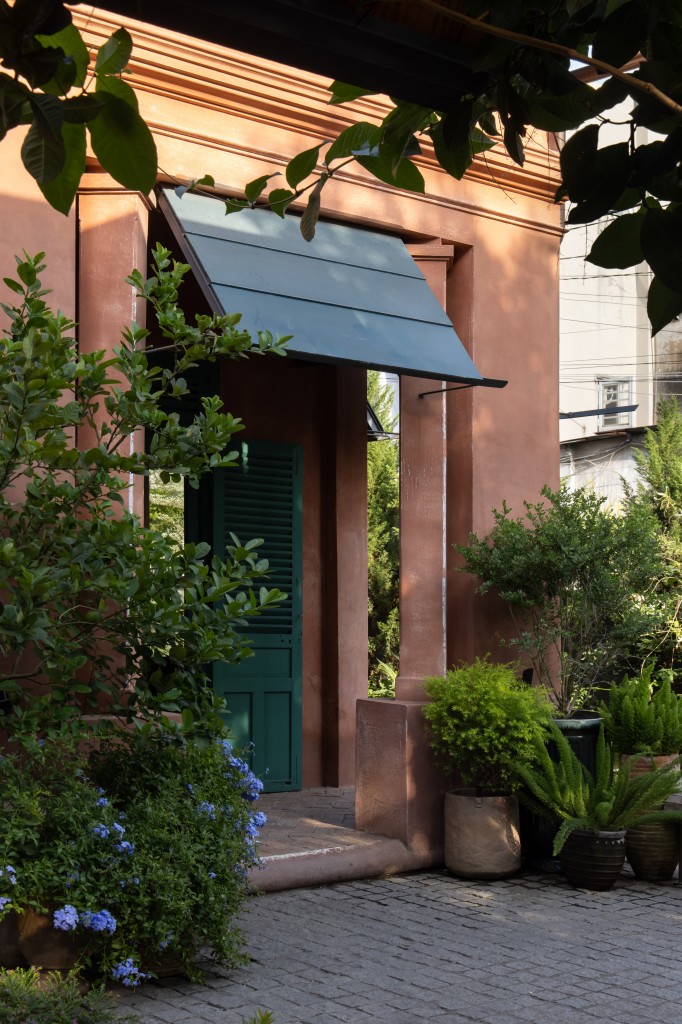
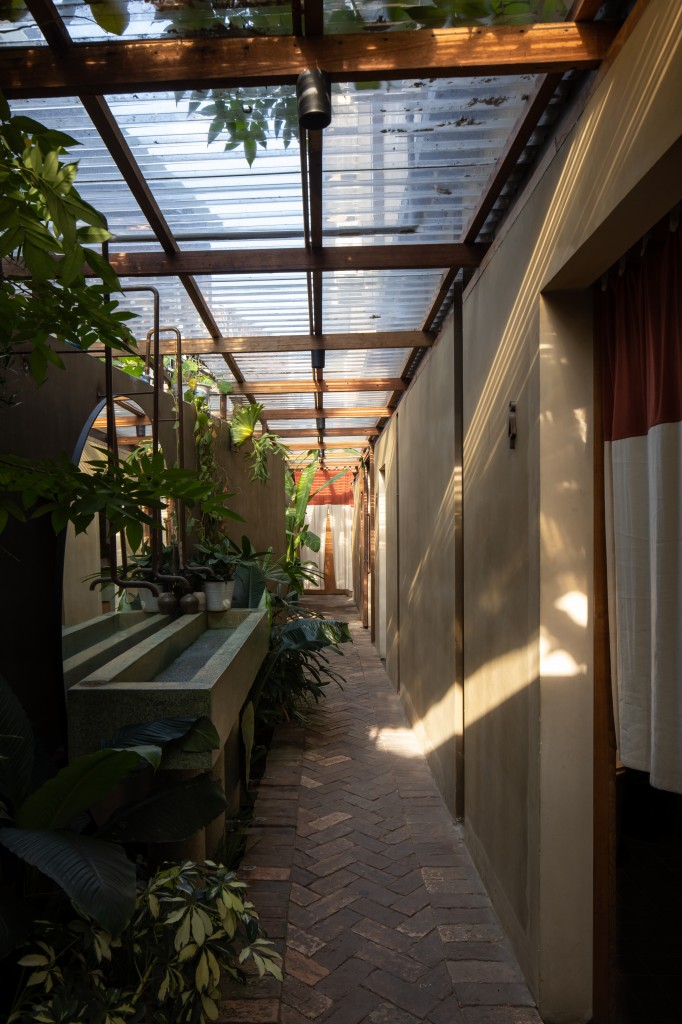
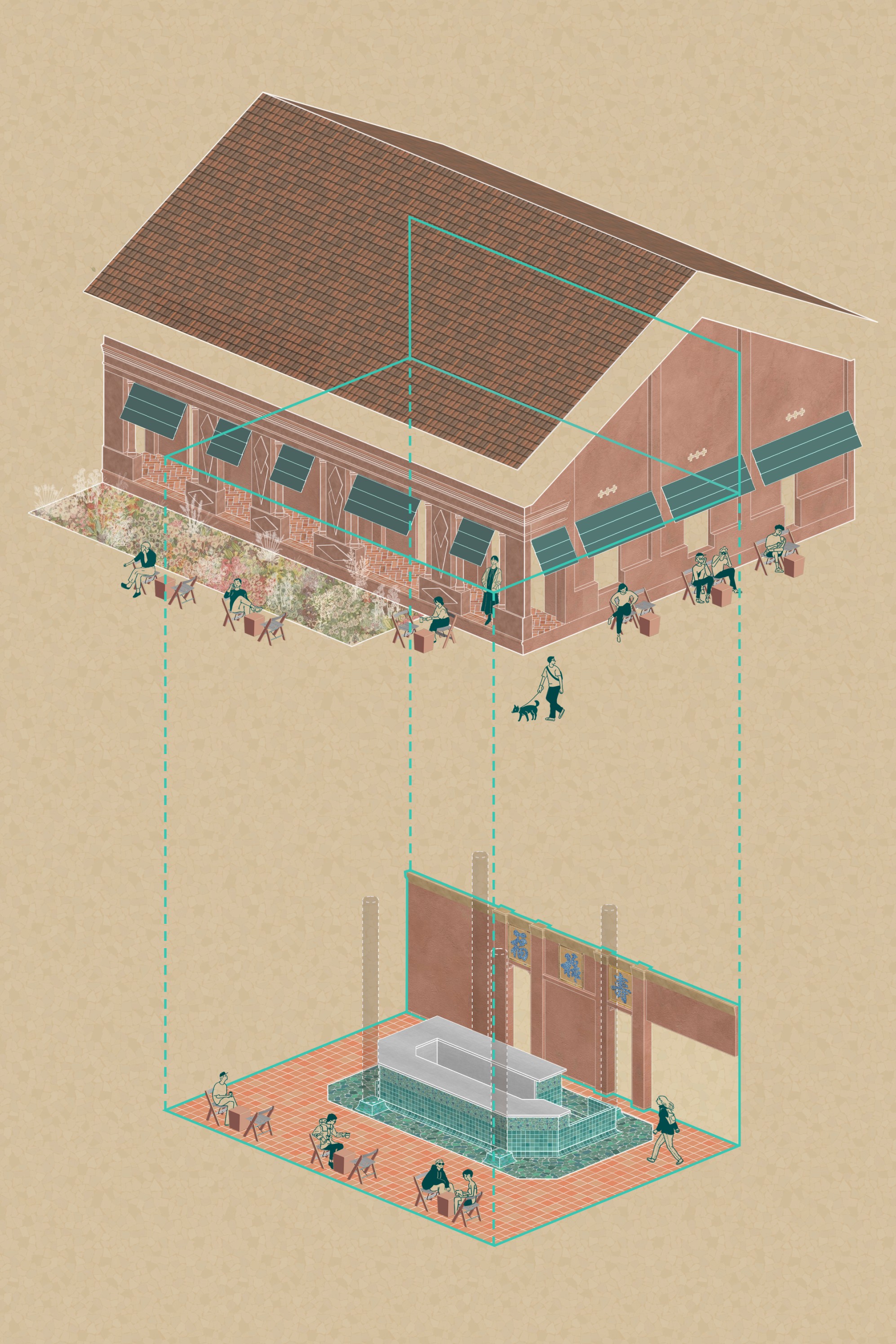
Vì lẽ đó, kết cấu cũ của hệ vì kèo gỗ và phần lớn tường bao được giữ nguyên trạng. Những bề mặt tường với sắc độ trầm, không đồng đều, như chồng lớp thời gian, được trân trọng như một “di sản” và giữ lại làm nền cho bối cảnh trò chuyện. Can thiệp đáng kể nhất là việc “nhấc mái”: tạo các khe sáng chạy dọc công trình, để ánh sáng cắt mảnh và trượt trên các diện tường, cột. Phần gác lửng được thêm vào nhằm kéo dài trải nghiệm theo chiều cao, cho phép sự giao tiếp với hệ vì kèo trở nên gần gũi hơn. Bao quanh tổ hợp là năm khu vườn, với hệ hàng hiên như một lớp trung gian giữa trong và ngoài: điều hòa vi khí hậu và chồng lớp trải nghiệm. Các vật liệu mang tinh thần hiện đại như thép và kính xuất hiện tiết chế, không lấn át sự mộc mạc của cấu trúc cũ. Ngay cả quầy bar hay đài phun nước sân vườn—với các chi tiết thủ công bằng gốm Biên Hòa—cũng viết tiếp câu chuyện bản địa.
Với công trình cải tạo này, chúng tôi hy vọng dung dưỡng trong không gian đô thị một chiều sâu ký ức, để căn nhà cổ có thể hồi sinh—và trong sự hồi sinh ấy, âm vang tinh thần thời đại.
----------
At the center of Biên Hòa, on a site of over one thousand square meters, a century-old house has been converted into a café. The design intervention does not seek to alter the building’s essence, but to transform it into a place of encounter—where architecture sustains a continuous experience of space and time.
For this reason, the original timber roof truss system and most of the enclosing walls have been preserved. The wall surfaces, with their muted and uneven tones—like layers of accumulated time—are regarded as a form of “heritage” and retained as the backdrop for conversation. The most significant intervention is the act of “lifting the roof”: linear skylight gaps run along the building, allowing light to fragment and glide across walls and columns. A mezzanine is introduced to extend the spatial experience vertically, enabling a closer engagement with the roof structure. Surrounding the complex are five gardens, with verandas forming a transitional layer between inside and outside—moderating the microclimate and layering spatial experience. Contemporary materials such as steel and glass are used sparingly, ensuring they do not overshadow the raw presence of the existing structure. Even the bar counter and the garden fountain—crafted with handmade Biên Hòa ceramics—continue the local narrative.
Through this adaptive reuse, the project seeks to cultivate a depth of memory within the urban space, allowing the old house to be revived—and in that revival, to echo the spirit of its time.
.jpg)
.jpg)